Guys and gals ask me this all the time at the shop: “Doug, be straight with me — can I actually afford to get into snowmobiling?”
So let’s have some straight talk about it.
I’m not going to sugarcoat it: snowmobiling is NOT a cheap hobby. Anybody who tells you different is selling you something. But here’s the other truth — you do NOT need to drop $25,000 on a brand-new sled to get out on the trails. Real people get into this sport every winter without breaking the bank. Here’s how they do it.
1. Buy a Reliable Sled, Not the Cheapest One
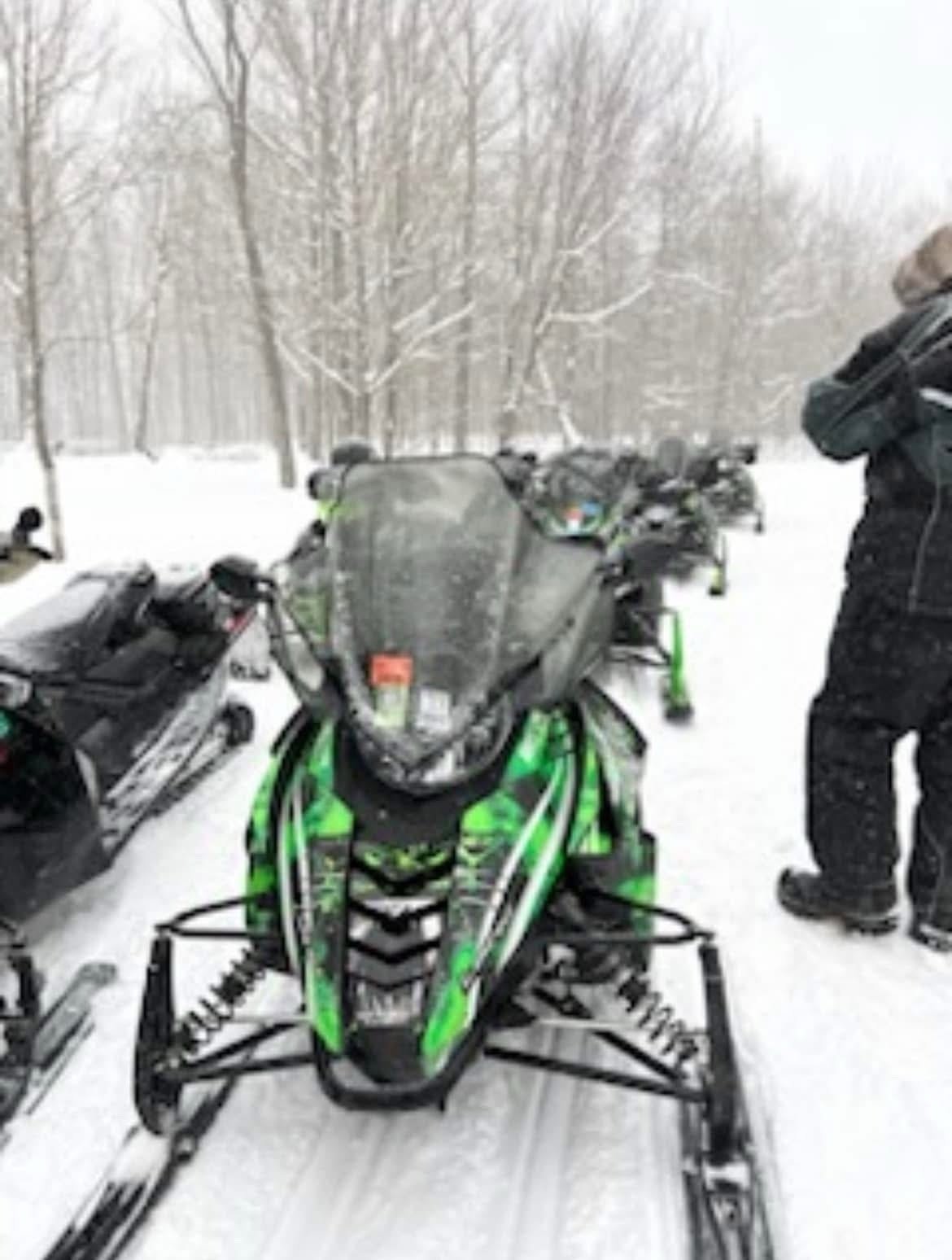
That $4,000 sled on Marketplace looks tempting when you’re not sure you’ll love the sport. But I can’t count how many people I’ve seen go that route, blow an engine the first season, and end up towed out by their buddies — out the money they paid, or staring at a $2,000–$3,000 rebuild bill.
There’s a sweet spot between brand new and too cheap. A solid, well-kept used sled in the $6,000–$10,000 range will treat you a whole lot better than a bargain that’s been run hard and put away wet.
2. Shop Smart — Holdovers and Inspected Used Sleds
Shop like you’d shop for a car. Dealers carry brand-new sleds from a year or two back — we call them holdovers or non-currents — and they’re often a few thousand dollars off, still brand new, still with warranty.
And a used sled bought from a dealer has usually been inspected and had the obvious problems fixed before it hits the floor. Buying privately instead? Pay a mechanic $100–$200 for a pre-purchase inspection before you hand over your money. Cheapest insurance you’ll ever buy.
3. Mind the Kilometres
Do the math on how you’ll actually ride. Most trail riders around here put on 2,000 to 3,000 km a season. If you want three good seasons out of a used sled, that’s 6,000 to 9,000 km of riding — so a low-kilometre sled buys you those years with room to spare, and it’s worth more when you sell it.
Seen a higher-kilometre sled with a documented top-end rebuild? That can be a smart buy too — a proper rebuild resets the engine’s clock. Just ask who did the work, what parts went in, and get the receipts.
4. Financing Is How Most People Actually Do It
This is the part a lot of folks don’t realize is even an option. Most riders don’t pay cash — they finance, and that’s what makes the sport reachable.
Real example: a $15,000 sled at 8.99% over 96 months works out to about $220 a month — roughly $51 a week. Ride it two or three seasons, keep the kilometres reasonable, and a good sled still holds real value when you’re ready to trade up.
And hear me on this one: good credit, bad credit, no credit — let’s talk about it. No judgment, no lecture. That’s the whole point of my financing page: Straight Talk Financing Solutions with Doug.
5. Ride What Your Crew Rides
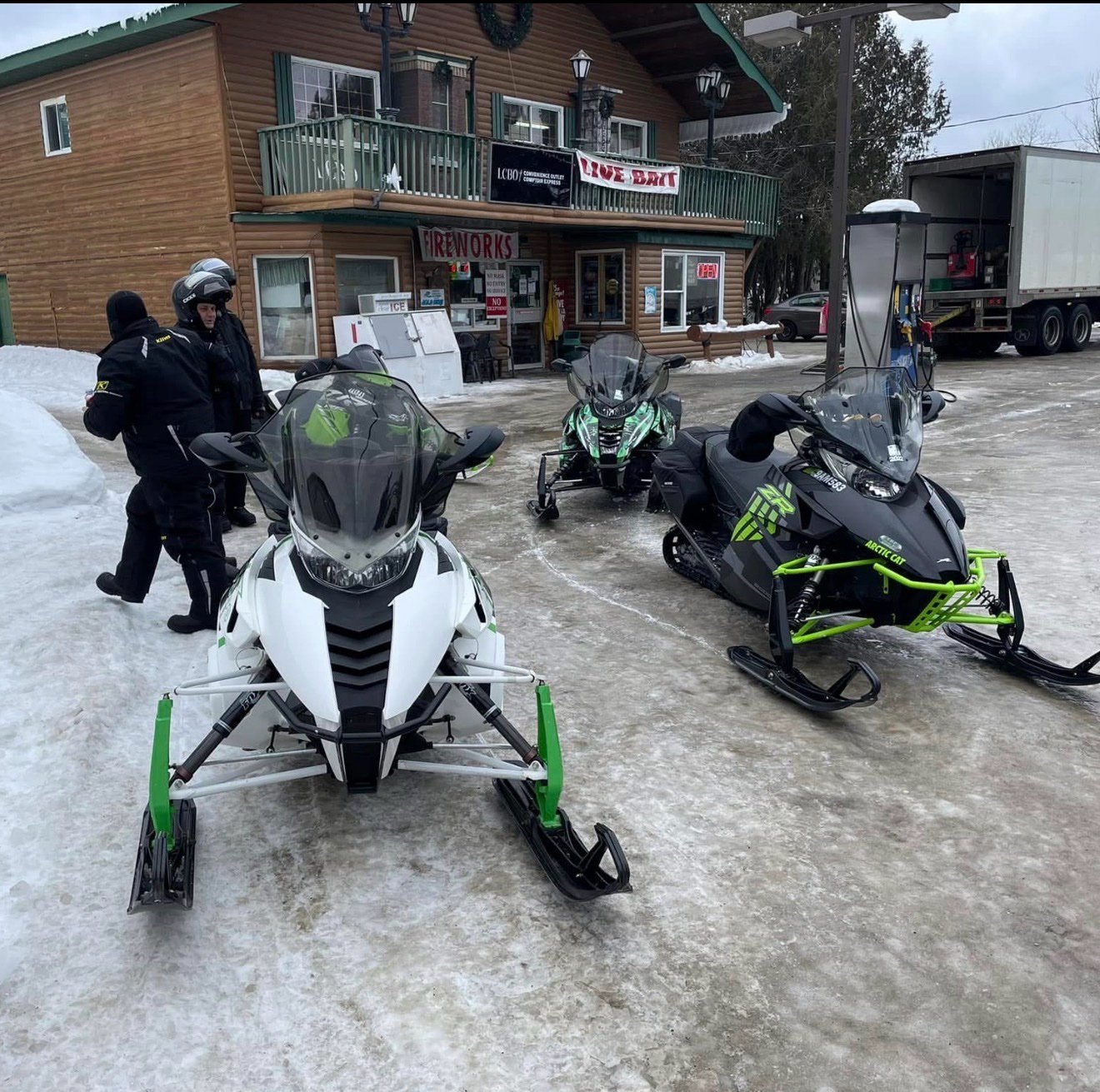
If your whole riding crew runs one brand, there’s real value in matching them. When something acts up on the trail — and someday, something will — the guys and gals who know that machine are right there with you. You already know which colour I lean toward, but the best sled is the one your crew can help you fix at the side of the trail.
6. Budget Beyond the Sled
The sled is only part of the bill. Here’s the honest list, ballpark Ontario numbers:
- Trail permit: around $200 if you buy early — and worth every penny. That money keeps our clubs and groomers running. I back the clubs 100%.
- Insurance: a few hundred dollars a year for most riders.
- Oil and fuel: a jug of good 2-stroke oil runs roughly $60–$80 and lasts a lot of miles.
- Maintenance: a couple hundred a year if you stay ahead of it — a whole lot more if you don’t.
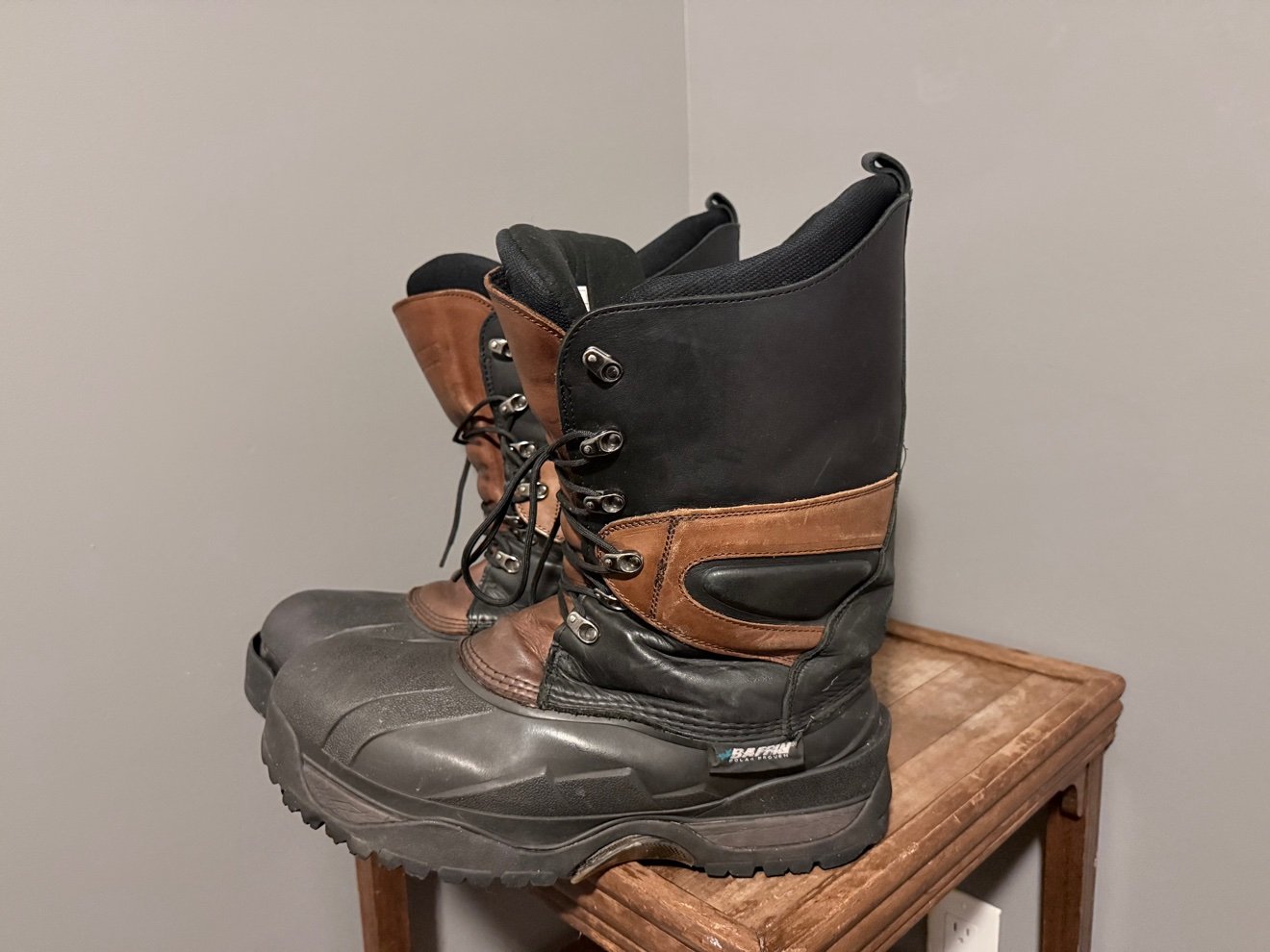
- Gear: a proper helmet, suit and boots aren’t optional in Northern Ontario cold. This is where you don’t cheap out.
The Bottom Line
Is snowmobiling affordable? Not exactly. Is it achievable? Absolutely — if you buy reliable instead of cheap, shop the holdovers, watch the kilometres, finance smart, and budget for the whole picture, not just the sled.
Thinking about taking the leap? I’m happy to run real numbers with you — no pressure, no sales pitch. Hit the Get a Price Quote button on my site, or check out Doug’s Gear Picks for the gear I actually recommend.
See you on the trails.
— Doug